Fixed Rate vs. Adjustable Rate Mortgages: Which One Makes Sense for You

Choosing the right mortgage can feel like trying to predict the future. You want a monthly payment you can afford today, but you also want to make a smart financial move for tomorrow. Understanding the difference between a fixed rate and an adjustable rate mortgage is one of the most important steps in buying a home.
Choosing the right mortgage can feel like trying to predict the future. You want a monthly payment you can afford today, but you also want to make a smart financial move for tomorrow. Understanding the difference between a fixed rate and an adjustable rate mortgage is one of the most important steps in buying a home.
Here's How It Works
When you borrow money to buy a house, the lender charges you interest. The way that interest is calculated over the life of your loan depends on whether you choose a fixed rate or an adjustable rate mortgage. Both options have distinct advantages depending on your financial goals.
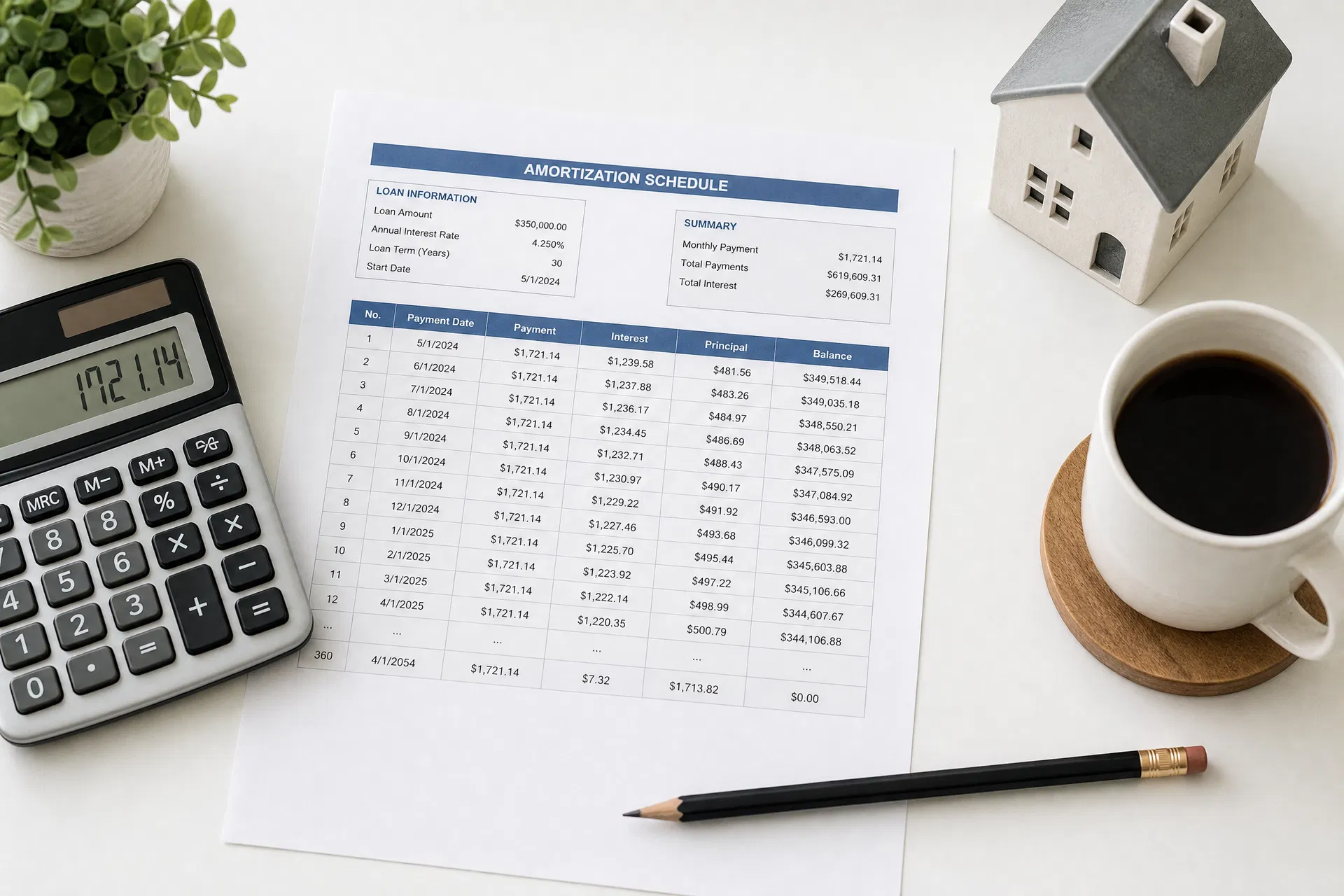
A fixed rate mortgage is exactly what it sounds like. The interest rate stays the same for the entire length of the loan, which is usually 15 or 30 years. This means your principal and interest payment will never change. It offers predictability and peace of mind. You know exactly what your housing cost will be every single month, no matter what happens in the broader economy. This stability makes it the most popular choice for homebuyers.
An adjustable rate mortgage, often called an ARM, works differently. It starts with a lower introductory interest rate for a set period of time, usually five, seven, or ten years. During this initial period, your monthly payments are lower than they would be with a fixed rate loan. This can help you save money in the short term or qualify for a slightly more expensive home.
Once that introductory period ends, the interest rate adjusts based on current market conditions. It can go up or down. If rates are higher, your monthly payment will increase. To protect you from extreme jumps, these loans have caps that limit how much the rate can increase at one time and over the life of the loan. Even with these caps, the uncertainty of future payments is a risk you must consider.
Choosing between the two comes down to how long you plan to keep the home and your comfort level with risk. A fixed rate is great for long term stability. An ARM can save you money upfront if you plan to sell or refinance before the rate adjusts.
How This Applies Locally
In the Antelope Valley and Santa Clarita Valley, we see a wide mix of buyers with different timelines. Some are putting down roots in Palmdale or Lancaster to raise a family and plan to stay in their home for decades. For these buyers, locking in a fixed rate mortgage is usually the safest bet. It protects against rising costs and makes long term budgeting much easier as you build equity over time.
On the other hand, many buyers in our area are purchasing starter homes or using real estate as a stepping stone. Maybe you are buying a condo in Santa Clarita with plans to upgrade to a larger house in Acton or Agua Dulce in five years. If you know you will not keep the mortgage past the introductory period, an ARM could give you a lower payment right now. It allows you to take advantage of lower initial rates while you live in the home, knowing you will move before the rate has a chance to adjust.
Quick Example
Let us say you are buying a $500,000 home in Lancaster with a 20 percent down payment, leaving you with a $400,000 loan.
If you choose a 30 year fixed rate mortgage at 6.5 percent, your principal and interest payment will be about $2,528 every month for the next 30 years. You will never have to worry about that number changing.
If you choose a 5/1 ARM with an introductory rate of 5.5 percent, your payment for the first five years will be about $2,271. That saves you over $250 a month initially, which adds up to more than $15,000 in savings over those first five years. However, in year six, if market rates have gone up, your rate will adjust and your payment could jump significantly. You have to be prepared for that possibility or have a solid plan to sell or refinance before year six arrives.
Your Next Step
Take a look at your five year plan. Ask yourself how long you realistically plan to live in your next home and whether you would be comfortable with a changing monthly payment down the road. Write down your timeline and share it with your lender so they can show you the exact math for both options.
Have Questions?
Navigating mortgage options can be tricky, but you do not have to do it alone. If you want to talk through your specific situation or need a recommendation for a great local lender, reach out to me at www.samurban.homes. I am always here to help you make the best move for your future.
Disclaimer: This is general education only. Talk with your lender, CPA, attorney, or financial advisor before making a decision.
References
https://www.investopedia.com/terms/f/fixed-rate_mortgage.asp https://www.investopedia.com/mortgage-rates-5094943 https://www.investopedia.com/terms/i/interestrate.asp
What This Means Locally
In the Antelope Valley and Santa Clarita Valley, we see a wide mix of buyers with different timelines. Some are putting down roots in Palmdale or Lancaster to raise a family and plan to stay in their home for decades. For these buyers, locking in a fixed rate mortgage is usually the safest bet. It protects against rising costs and makes long term budgeting much easier as you build equity over time.
On the other hand, many buyers in our area are purchasing starter homes or using real estate as a stepping stone. Maybe you are buying a condo in Santa Clarita with plans to upgrade to a larger house in Acton or Agua Dulce in five years. If you know you will not keep the mortgage past the introductory period, an ARM could give you a lower payment right now. It allows you to take advantage of lower initial rates while you live in the home, knowing you will move before the rate has a chance to adjust.
Key Takeaway
Take a look at your five year plan. Ask yourself how long you realistically plan to live in your next home and whether you would be comfortable with a changing monthly payment down the road. Write down your timeline and share it with your lender so they can show you the exact math for both options.
References: https://www.investopedia.com/terms/f/fixed-rate_mortgage.asp, https://www.investopedia.com/mortgage-rates-5094943, https://www.investopedia.com/terms/i/interestrate.asp