Closing Costs Explained: What You'll Actually Pay When You Buy a Home
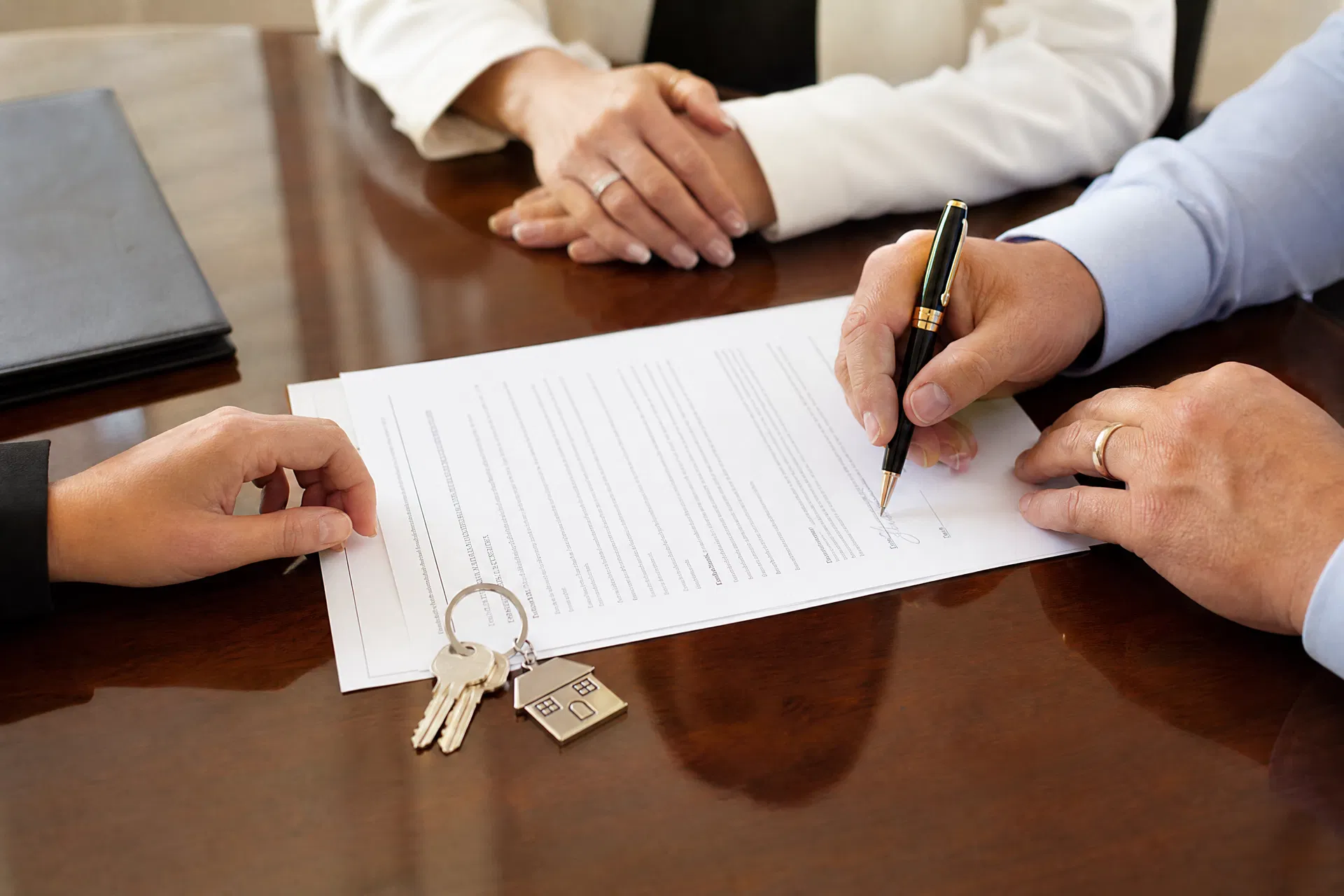
You finally found the perfect home, your offer was accepted, and you are counting down the days until you get the keys. But before you can celebrate and start moving your furniture, there is one more financial hurdle to clear at the finish line. That hurdle is closing costs, and if you are not prepared for them, they can be a very stressful surprise right before you take ownership.
You finally found the perfect home, your offer was accepted, and you are counting down the days until you get the keys. But before you can celebrate and start moving your furniture, there is one more financial hurdle to clear at the finish line. That hurdle is closing costs, and if you are not prepared for them, they can be a very stressful surprise right before you take ownership.
Here's How It Works
When you buy a home, the down payment is not the only cash you need to bring to the closing table. Closing costs are the various fees, taxes, and expenses you pay to finalize your mortgage and officially transfer ownership of the property from the seller to you. For most buyers, these costs typically range from 3% to 6% of the total purchase price of the home. This means you need to budget for these expenses well in advance.
So, what exactly are you paying for when you cover these costs? Closing costs cover a wide variety of necessary services. First, there are lender fees. Your bank or mortgage company charges for processing, underwriting, and funding your loan. These are often called origination fees. Then there are third-party fees. These include the appraisal to confirm the home is actually worth the purchase price, title insurance to protect your legal ownership rights, and escrow fees paid to the neutral third party handling the transaction.
You will also need to cover what are known as prepaid expenses. Lenders usually require you to pay for several months of property taxes and homeowners insurance upfront. These funds go into an escrow account managed by your lender so the bills are paid on time when they are due. You might also pay prepaid interest for the days between your closing date and your first official mortgage payment.
The good news is that you do not always have to pay all of these costs out of your own pocket. In many cases, you can negotiate with the seller to cover a portion of your closing costs. This is known as a seller credit or seller concession. Your lender might also offer options to roll some of the costs into your loan balance, or they might offer a lender credit in exchange for a slightly higher interest rate.
How This Applies Locally
In the Antelope Valley and Santa Clarita Valley, closing costs can vary depending on the specific city, the type of property, and the price of the home. Whether you are buying a starter home in Lancaster, a property with acreage in Acton or Agua Dulce, or a spacious family home in Santa Clarita, the standard fees for escrow and title services are fairly consistent across Southern California.
However, local property taxes and insurance rates can significantly impact your prepaid expenses. For example, homes in newer developments in Palmdale might have special assessments or Mello-Roos taxes that increase your initial tax escrow requirements. Additionally, properties in certain parts of the AV or SCV might require specialized hazard insurance depending on their location. Working with a local real estate agent and a lender who truly knows the Antelope Valley and Santa Clarita Valley markets will help you get an accurate estimate of these costs early in the process.
Quick Example
Let us say you are buying a beautiful home in Palmdale for $500,000. If your closing costs come out to 4% of the purchase price, you will need to pay $20,000 in addition to your down payment.
This $20,000 might include $5,000 for lender origination fees, $3,000 for title and escrow services, $1,000 for the appraisal and various home inspections, and $11,000 for prepaid property taxes and homeowners insurance. If you negotiated a $5,000 credit from the seller during the offer process, your out-of-pocket closing costs would drop to $15,000. This shows why negotiating a strong offer is so important.
Your Next Step
Ask your lender for a Loan Estimate document as soon as you apply for a mortgage. This standard three-page form breaks down your estimated closing costs line by line, so you know exactly how much cash you need to save before closing day. Review it carefully and ask questions about any fees you do not understand.
Have Questions?
Buying a home involves a lot of moving parts, but you do not have to figure it out alone. If you want to talk about your home buying goals, need help understanding the costs involved, or want to start looking at homes in the area, visit www.samurban.homes or reach out to me directly. I am always happy to help you navigate the process and make your real estate journey as smooth as possible.
Disclaimer: This is general education only. Talk with your lender, CPA, attorney, or financial advisor before making a decision.
References
* https://www.investopedia.com/terms/c/closingcosts.asp * https://www.investopedia.com/10-proven-strategies-to-lower-your-closing-costs-8707485 * https://www.investopedia.com/articles/mortgages-real-estate/10/closing-home-process.asp
What This Means Locally
In the Antelope Valley and Santa Clarita Valley, closing costs can vary depending on the specific city, the type of property, and the price of the home. Whether you are buying a starter home in Lancaster, a property with acreage in Acton or Agua Dulce, or a spacious family home in Santa Clarita, the standard fees for escrow and title services are fairly consistent across Southern California.
However, local property taxes and insurance rates can significantly impact your prepaid expenses. For example, homes in newer developments in Palmdale might have special assessments or Mello-Roos taxes that increase your initial tax escrow requirements. Additionally, properties in certain parts of the AV or SCV might require specialized hazard insurance depending on their location. Working with a local real estate agent and a lender who truly knows the Antelope Valley and Santa Clarita Valley markets will help you get an accurate estimate of these costs early in the process.
Key Takeaway
Ask your lender for a Loan Estimate document as soon as you apply for a mortgage. This standard three-page form breaks down your estimated closing costs line by line, so you know exactly how much cash you need to save before closing day. Review it carefully and ask questions about any fees you do not understand.
References: https://www.investopedia.com/terms/c/closingcosts.asp, https://www.investopedia.com/10-proven-strategies-to-lower-your-closing-costs-8707485, https://www.investopedia.com/articles/mortgages-real-estate/10/closing-home-process.asp